

Chronological Aging vs Biological Aging
"Two people can be the same age and have completely different skin stories."
- Madonna Farro
Somewhere between college and adulthood, skin starts dealing with a lot more:
Longer workdays.
More screen time.
Less sleep.
Moving cities, moving houses.
Most of these changes feel completely 'normal'.
But skin doesn't really separate normal from different.
It simply adapts.
If you're already thinking about supporting your skin through these everyday changes,
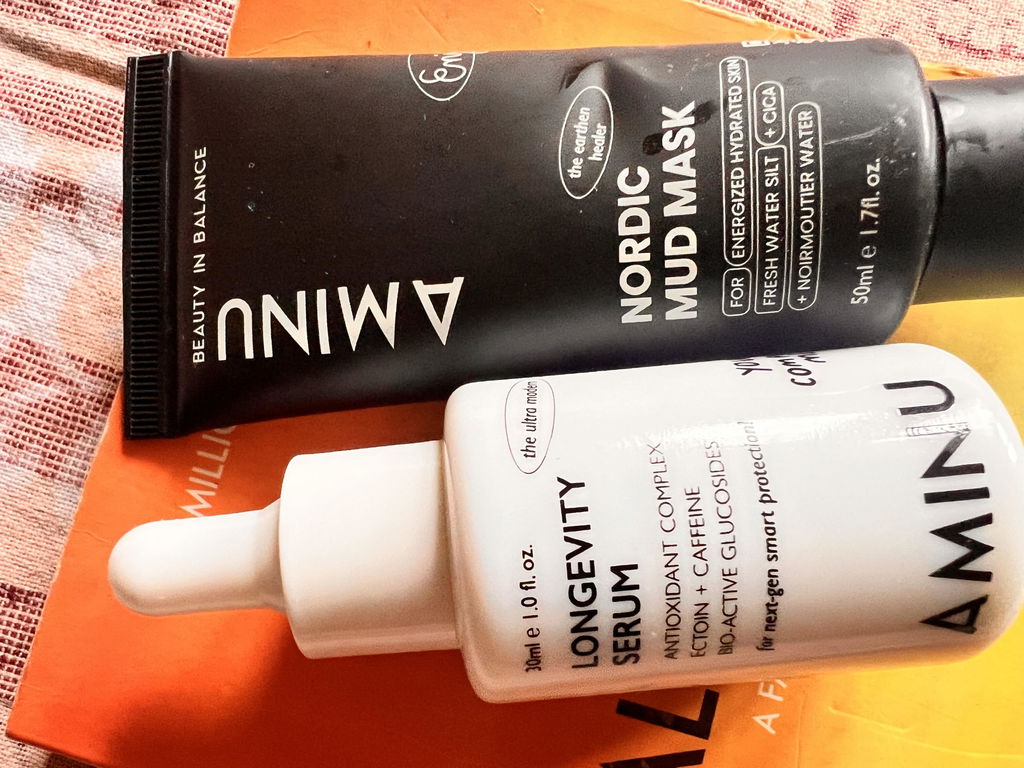
the Longevity Serum was developed with exactly this in mind.
Discover the Longevity Serum →
At first, nothing feels like it’s changing.
But eventually, small things start to stand out.
A mark stays longer.
A stressful week shows up on your face more easily.
A good night's sleep doesn't seem to fix everything the way it once did.
And once you do, it’s hard to unsee.

For illustrative purposes only.
Beneath the Skin's Surface
There are Two Clocks constantly ticking inside the body.
The first is your Chronological age. This is the easy one.
It's simply the number of birthdays you've celebrated.
The second is your Biological age.
This reflects how your skin (and body) are functioning beneath the surface at the cellular level and how efficiently they repair, recover, and respond to everyday stress.
Which is why two people can both be 25 and have skin that behaves very differently, because their skin naturally produces slightly less collagen over time.
Biological Aging Looks Different on Indian Skin
For Indians, the first signs of aging aren't always wrinkles.
They're often visible as pigmentation, uneven tone, dryness,
or skin that takes longer to bounce back.
But skin experiences all of it at once as a constant load of stress, pollution, UV exposure, and everyday life.
That's where the Random Tuesday Theory starts to make more sense.
Over time, this affects how efficiently skin repairs and restores balance, showing up much earlier than we usually expect.
Why Your 20's Matter More
By now, most of us know the skincare basics.
Drink more water.
Wear sunscreen.
Get more sleep.
Eat right.
Most people think skincare becomes important later, when skin visibly starts to age.
But skin doesn’t follow a timeline.
It’s continuously evolving, year after year.
That's why resilience and recovery equally matter.
The Takeaway;
You can't stop chronological aging.
Nobody can.
But you can influence how well your skin responds to everything it experiences along the way.
Because skin longevity isn't about chasing younger-looking skin or using anti-aging products.
It's about helping skin stay healthy, resilient, and able to recover for longer.
At Aminu, years of observing Indian skin led us to a simple insight: resilient-looking skin often comes down to recovery.
That observation became the foundation for the
Shop the Longevity Serum
FAQ's
Q 1: What is the difference between chronological aging and biological aging?
Chronological aging refers to the number of years you have been alive. Biological aging reflects how your body and skin are actually functioning beneath the surface. Two people of the same chronological age can have very different biological ages depending on factors such as sun exposure, stress, sleep, nutrition, pollution, and overall lifestyle.
Q 2: Can your skin be biologically older than your actual age?
Yes. Skin can age faster than your chronological age due to cumulative exposure to UV radiation, pollution, chronic stress, poor sleep, smoking, inflammation, and other environmental factors. This is often referred to as accelerated biological aging.
Q 3: Why does skin recovery look so different between people of the same age?
Biological aging is not identical across individuals. Recovery efficiency depends on exposure lifestyle patterns and how well the skin barrier is supported over time.
Q 4: Why do Indians age differently from lighter skin tones?
Melanin-rich skin, like many Indian skin types, tends to show early signs of pigmentation and uneven tone more visibly, especially with repeated exposure to sun, heat, and environmental stress.
In contrast, some lighter skin tones may show earlier structural changes like fine lines. This doesn’t mean one skin type ages better or worse; it simply reflects how different skin biology responds and shows change over time.
Q 5: Is skin longevity and anti-aging the same thing?
While they share the same ultimate goal of keeping skin youthful, skin longevity and anti-aging approach the process from two very different angles. Anti-aging is about fixing damage, while skin longevity is about preserving cellular function to prevent damage from happening in the first place.
Q 6: At what age does skin aging begin?
Skin aging begins much earlier than most people think. Research suggests that biological aging processes start in early adulthood. While visible signs may not appear until later, cumulative damage from sun exposure, pollution, stress, and lifestyle habits starts accumulating in your 20s.
Q 7: What is skin longevity?
Skin longevity refers to supporting the skin’s ability to remain healthy, resilient, and functional for longer. Rather than focusing only on correcting visible signs of aging, skin longevity focuses on helping skin recover, adapt, and maintain balance throughout life.