

The Random Tuesday Theory: Why Your Skin Looks Different by 5 PM
Do you remember what you did last Tuesday?
Probably not. And honestly, neither do we.
We are sure, it was likely a regular day. Nothing remarkable. Nothing worth remembering.
But your skin remembers every minute of it.
We schedule our lives down to the minute.
Gym.
Picking outfits.
Meetings.
Coffee.
Protein intake.
Deadlines.
Six to seven hours of sleep.
But we rarely think about the invisible schedule our skin goes through every single day.

For illustrative purposes only.
By 5 PM:
Your morning glow disappears. Your T-zone looks shinier. Your makeup doesn't sit the same way anymore.
Your skin simply looks more tired than it did at 9 AM.
Now imagine repeating that day.
Not once. But several dozens of times every month. Hundreds of times every year.
This is what we at Aminu call The Random Tuesday Theory.
In fact, observations like these helped lay the foundation for the Longevity Serum.
Your Skin Keeps Score
Scientists have a name for the accumulation of everything your skin experiences throughout life. They call it the exposome.
Put simply, it's the sum of everything your skin is exposed to every day:
- UV exposure
- Pollution
- Heat and humidity
- Stress
- Poor sleep
- Inflammation
- Long hours indoors
- Short hours asleep
Your skin experiences these collectively.
Over time, they can influence inflammation, skin barrier health, pigment behavior, and how efficiently skin recovers from daily wear and tear.
Which means skin isn't only responding to how old you are.
It's responding to everything it experiences along the way.
And over the years, these patterns kept showing up in practice.

What Years of Research Taught Us
Years spent inside treatment rooms meant seeing skin beyond before-and-afters.
It meant seeing how pollution, poor sleep, hormonal fluctuations, over-exfoliation, and the demands of everyday life showed up on real faces.
After thousands of consultations, something surprising started showing up.
The healthiest-looking skin wasn't always the skin living the healthiest life.
- Some of it belonged to new mothers sleeping four hours a night.
- Some of it belonged to founders juggling impossible schedules.
- Some of it belonged to women traveling constantly for work.
Their lives weren't necessarily less stressful.
Yet their skin seemed to bounce back better.
It recovered faster.
It stayed balanced longer.
It looked healthier despite everything life was throwing at it.
Eventually, the pattern became difficult to ignore.
Healthy skin isn't defined by avoiding stress entirely.
It's defined by how well it adapts, repairs, and returns to balance afterward.
That's resilience.
What This Has To Do With Longevity
Longevity science is increasingly showing that aging is rarely the result of one dramatic event.
It is influenced by the accumulation of small biological stresses and how effectively the body recovers from them over time.
Skin is no different.
Which means the future of your skin isn't decided by a beach vacation, a late night, or a stressful week.
It's influenced by hundreds of ordinary Tuesdays and how well your skin recovers from each one.

For illustrative purposes only.
The Takeaway;
The Random Tuesday Theory is simple.
Skin rarely changes because of one big event.
It changes because of hundreds of ordinary days.
Days you won't remember.
But your skin will.
At Aminu, this idea became the foundation for how we think about longevity.
Not as a pursuit of perfect skin.
But as helping skin stay resilient, adaptable, and healthier through the thousands of small moments that shape it over time.
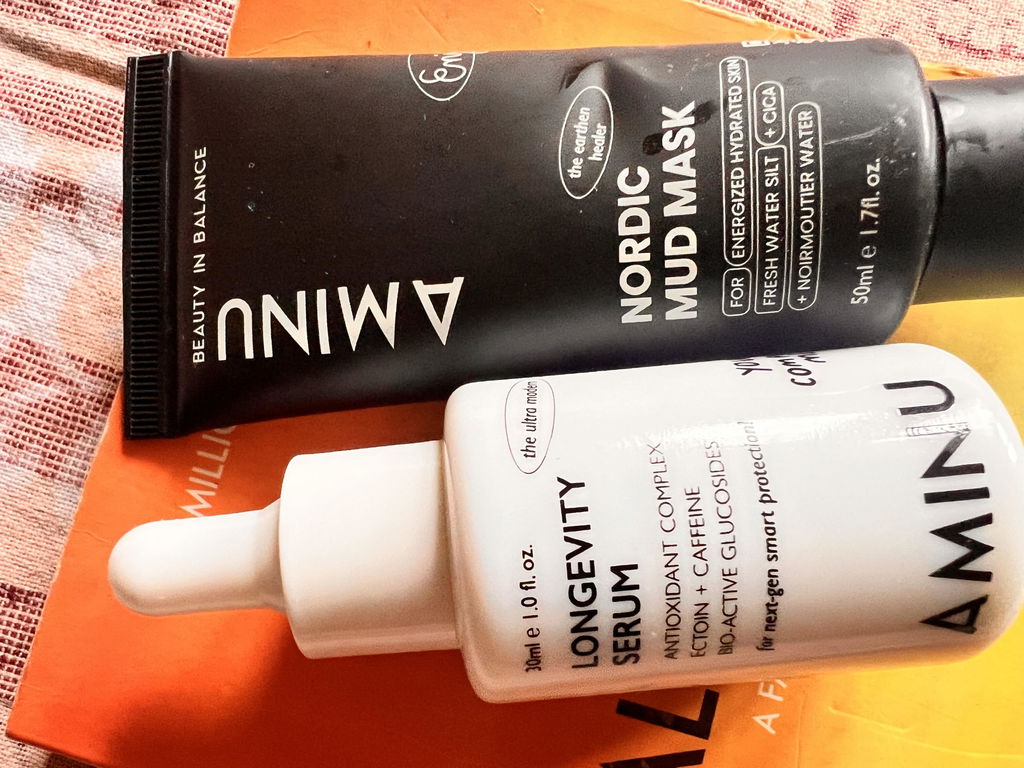
That is why we spent seven years developing Longevity Serum.
Not for the occasional bad skin day.
But for the hundreds of ordinary Tuesdays that quietly shape how skin ages.
So here it is.
A formula designed to support skin recovery, resilience, and long-term skin health through all the ordinary days that shape it.
Explore the Science of Longevity
FAQ's
1. Does stress really affect your skin?
Yes. Stress can influence inflammation, barrier function, oil production, and how well skin recovers. Over time, it may contribute to dullness, breakouts, dehydration, and uneven-looking skin.
2. Why does my skin look tired even when I'm taking care of it?
Skin responds to more than skincare products alone. Stress, poor sleep, pollution, heat, and daily environmental exposures can affect hydration, recovery, and overall skin appearance.
3. Why does Indian skin often develop pigmentation after breakouts?
Indian skin tones produce extra pigment in response to inflammation or irritation. This protective response can cause dark marks to remain long after a breakout has healed.
4. Can oily skin also be dehydrated?
Yes. Skin can produce excess oil while still lacking water. This is why skin may look shiny on the surface but feel tight, dull, or uncomfortable underneath.
5. Does skin age because of lifestyle choices?
Lifestyle plays a significant role in how skin ages. Factors such as sun exposure, stress, sleep quality, pollution, and diet can influence skin health alongside natural ageing.
6. Is aging only caused by the sun?
No. While UV exposure is a major contributor, pollution, heat, stress, sleep deprivation, and other environmental factors also affect how skin ages over time.
7. Why is recovery important for healthy skin?
Healthy skin is constantly adapting to daily stressors. Strong recovery processes help skin repair itself, maintain balance, and remain resilient despite everyday environmental challenges.
8. When should you start preventative skincare?
Prevention is often most effective before visible concerns appear. Supporting skin health early can help maintain resilience and recovery as environmental exposures accumulate over time.