

Understanding Glycation: A Key Factor in Skin Aging
First off, let's talk about our skin. It’s our body’s largest organ and takes on a lot especially as we age. In our 20s, we might not notice it yet, but pollution, hormonal changes, and our eating habits are already impacting it beneath the surface. One process that plays a major role in premature aging is glycation. But what exactly is glycation, and why should we care? Let’s break it down.
~ Aminu Editorial Team

Most people think skin ageing begins with wrinkles.
In reality, it often starts much earlier.
Long before you notice fine lines, your skin is constantly responding to everyday stress: sun exposure, poor sleep, stress, pollution, blood sugar fluctuations, and the countless small challenges that come with modern life.
One of the biological processes involved in this gradual change is called glycation.
You may not have heard of it before, but over time, glycation can affect how firm, smooth, and resilient your skin looks and feels.

What Is Glycation?
Glycation occurs when excess sugar molecules attach themselves to proteins in the body.
One of the main targets of this process is collagen, the structural protein that helps keep skin firm and supported.
When sugar attaches to collagen, it forms compounds known as Advanced Glycation End Products (AGEs).
Think of it like this:
Imagine a fresh rope. It is flexible, strong, and able to handle tension.
Now imagine that same rope becoming stiff, rigid, and less able to bend over time.
That is similar to what glycation can do to collagen.
As glycation accumulates, collagen becomes less flexible and less effective at supporting healthy-looking skin.

Why Glycation Matters For Skin
Collagen and elastin help skin maintain its structure and bounce.
As glycation progresses, these proteins become less efficient.
Over time, this may contribute to:
- Loss of firmness
- Reduced elasticity
- Dull-looking skin
- More visible fine lines
- Slower recovery from everyday stress
Take a note that, glycation is not the only process involved in skin ageing, but it is one of the many biological mechanisms that influence how skin changes over time.
Glycation Is Not Just About Sugar
When people hear about glycation, they often assume the solution is to completely avoid sugar.
That misses the bigger picture.
Glycation is influenced by overall metabolic health and how well the body handles everyday stress.
Factors that may accelerate glycation include:
- Frequent blood sugar spikes
- Chronic stress
- Poor sleep
- Sedentary lifestyles
- Smoking
- Excessive UV exposure
In other words, glycation is not usually the result of a single dessert.
It is the result of repeated sugar spikes accumulating faster than the body can recover from it.

What can you do about it?
You cannot completely stop glycation.
It is a normal part of life and ageing.
What you can do is help slow the process and support your skin’s ability to stay resilient.
Some practical steps include:
Prioritize Stable Energy Levels
Meals that contain adequate protein, fibre, and healthy fats can help support steadier blood sugar levels throughout the day.
Preventive Skincare
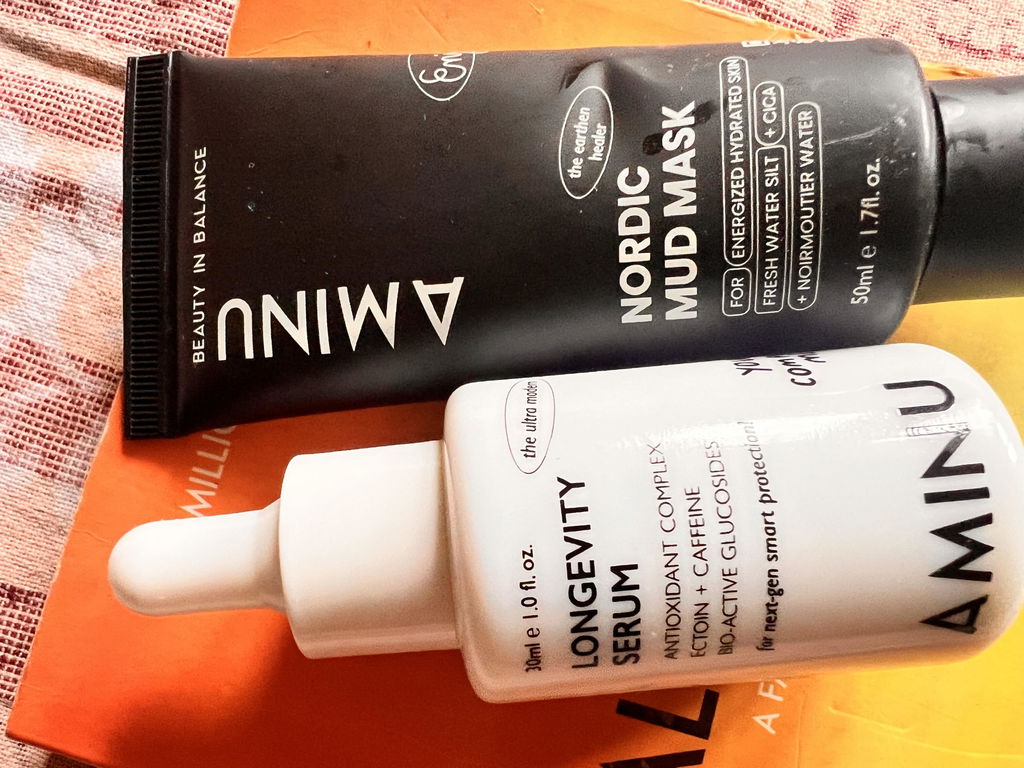
Research suggests that carnosine can help inhibit glycation by reducing the formation of Advanced Glycation End Products (AGEs), helping support collagen quality and skin resilience over time. Part of the Longevity Serum formula, this molecule can help support healthy collage in your skin.
The Bigger Picture
Glycation is ultimately a reminder that skin ageing is not caused by a single event.
It is the result of thousands of small interactions between your skin and the world around it.
The goal is not perfection.
The goal is helping your skin stay resilient, adaptable, and capable of recovering from everyday life for as long as possible.
Because healthy-looking skin is not just about how many years have passed.
It is about how well your skin has weathered them.